Why Is My Water Heater Making Popping or Rumbling Noises?
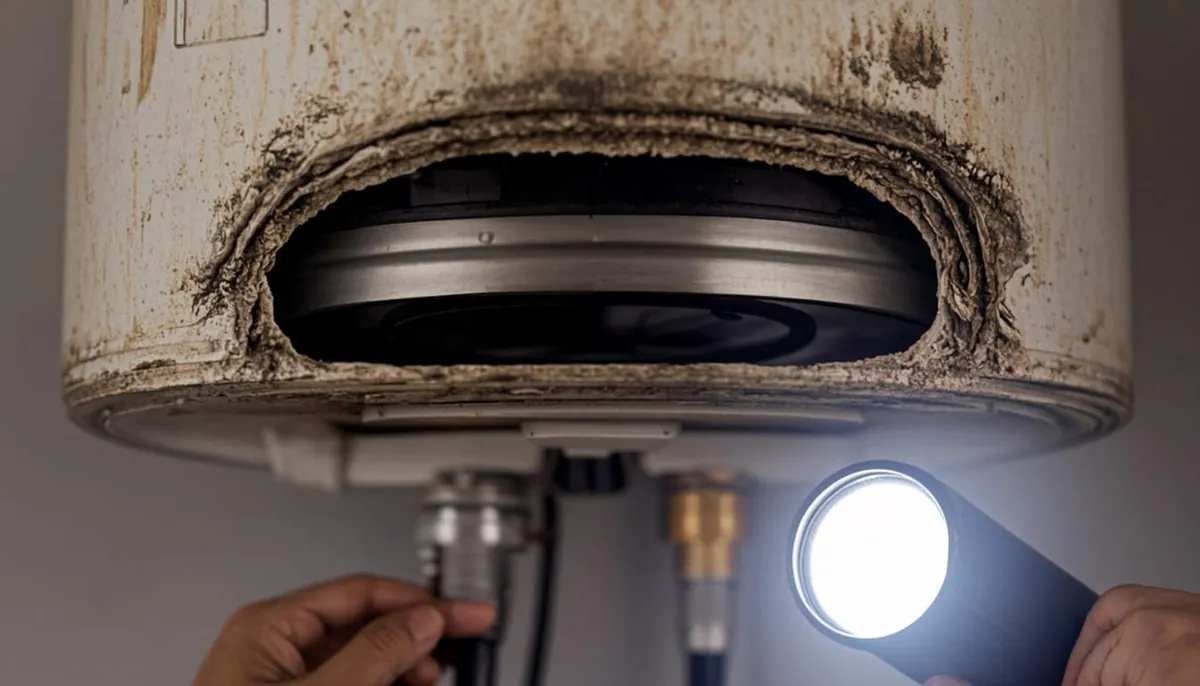
Water heaters talk, and popping is their most common sentence. In the overwhelming majority of cases the sound is sediment: mineral deposits that have settled onto the tank floor, trapping pockets of water that flash to steam and burst through the crust as the burner cycles. Popping is a maintenance problem, not an emergency. Other noises deserve faster attention, so this guide covers what each sound means, why sediment forms in the first place, and when a noise becomes a reason to call.
Common Water Heater Noises
Popping
Sharp pops or crackles during and shortly after heating cycles are the signature of water trapped under a sediment layer on the tank floor. Each pop is a small steam bubble forcing its way through the deposit. The noise itself harms nothing; the layer causing it, left alone for years, is what shortens tank life.
Rumbling
A deeper, rolling sound usually means a thicker sediment bed has matured. The tank has to push heat through an insulating blanket before the water above it warms, which stretches heating cycles, raises gas or electric bills, and stresses the tank lining. Rumbling tanks are flushing candidates first and replacement candidates only when the deposit has hardened past what a flush can move.
Banging
Loud metallic banging heard at faucets rather than at the tank is usually water hammer: a pressure shockwave when valves close abruptly throughout the plumbing. It rattles pipes and fittings rather than the heater. If the bang comes from the tank itself during ignition, the burner assembly or the flue deserves inspection, because expanding metal and loose baffles can knock too.
Hissing
Hissing near the tank is the one sound on this list we treat as urgent. It can be water dripping onto a hot burner, a relief valve discharging, or a small leak flashing to vapor on hot metal. Any hiss combined with water at the base moves the call to the same-day category. Our emergency guide covers the first ten minutes of a leak, and the phone line runs around the clock for exactly these situations.
How Sediment Accumulates Inside a Tank
Anne Arundel County's public water is moderately hard, and every heating cycle concentrates dissolved minerals a little further. Calcium and magnesium carbonate come out of solution where heat is strongest, at the tank floor, and settle as sand-like granules that build layer by layer. Tanks that flush on schedule never let the layer mature; tanks that have never been flushed can carry pounds of it by year eight. Well-fed homes in the county's outlying parcels often mineralize faster still.
How Sediment Affects Heating Performance
The deposit works against the tank three ways at once. It insulates the water from the heat source, stretching recovery times until the household notices lukewarm second showers. It overheats the tank floor lining, accelerating the corrosion that eventually wefts a shell. And it shelters bacteria in the warm, low-oxygen layer, which is the mechanism behind sulfur smells in hot water. None of this announces itself with a failure; it just quietly taxes every gallon.
When Water Heater Flushing May Help
Flushing helps when the sediment is still granular enough to travel out the drain valve with the water, which covers most tanks flushed at least every few years. The test is simple: attach a hose, drain a few gallons into a bucket, and look at it. Sandy, cloudy water means a flush will pay for itself. Flakes, rust particles, or water that stays discolored suggest the tank lining is shedding, which changes the recommendation entirely. Our flushing frequency guide covers the schedule, and our water heater maintenance service performs the flush, anode check, and safety inspection together.
Other Causes of Plumbing Noise
Not every sound near a water heater is the water heater. Expansion tanks tick as their bladder flexes. Copper pipes tick and creak with normal thermal expansion. Loose pipe straps transmit pump and valve pulses through framing. Recirculation pumps hum. A technician separates the candidates by listening at the tank, at the pipes, and at the fixtures, because the fix for water hammer differs completely from the fix for sediment.
When to Schedule an Inspection
Book a visit when popping accompanies any of the following: visibly longer recovery times, hotter-than-usual gas bills, rust in the hot water, or moisture at the base. A noise-only call on a tank under ten years old usually ends with a flush and a clean bill of health. The combination of noise plus age plus discolored water usually ends with a replacement conversation instead, and we present both sides of that math rather than defaulting to the expensive answer.
Is it safe to use a water heater that is making popping noises?
Yes, in the short term. Popping indicates sediment, which wastes energy and ages the tank but does not create an immediate hazard. Treat it as a maintenance signal: schedule a flush within a few weeks rather than living with it for another season.
Will flushing stop the popping noise?
Usually yes, when the deposit is still granular. Tanks that have never been flushed can carry hardened, packed sediment that a standard drain cannot fully clear; in those cases the noise softens rather than disappears, and the honest conversation shifts toward replacement planning.
Why is my new water heater already making noises?
New tanks pop briefly when first filled if air remains in the lines, and that settles within days. Persistent noise in a new installation points to excessive inlet temperature, a throttled supply valve, or expansion behavior that a quick check during the installation follow-up resolves.