How Often Should You Flush a Water Heater?
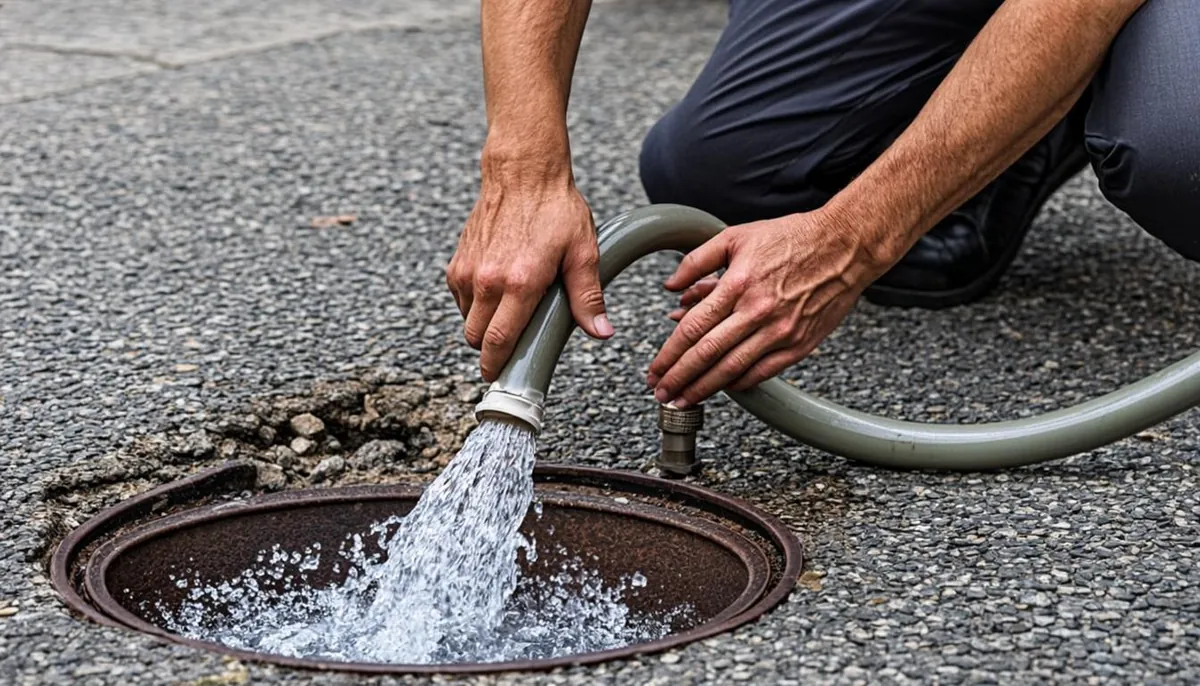
Flushing is the least glamorous and highest-value item in water heater care, and the schedule question has a real answer rather than a vague one: once a year is the working baseline for tanks in this region, with adjustments for water hardness, tank age, and what the flush itself reveals. This guide explains why the sediment problem exists here in particular, how the schedule flexes, what a proper flush includes beyond opening a valve, and the important exceptions where flushing an older tank is the wrong first move.
Why Water Heaters Accumulate Sediment
Anne Arundel County's water carries dissolved minerals that come out of solution where heat is strongest, which in a tank means the floor. Granules settle layer by layer, and the finished deposit does three kinds of damage: it insulates the water from the burner or lower element, it overheats the lining it rests on, and it shelters the chemistry behind odors and accelerated corrosion. Homes on private wells around the county's edges often see the process run faster still. The layer forms whether or not anyone hears it; popping and rumbling are just its public announcements.
How Often Should a Tank Water Heater Be Flushed?
Our working schedule, tuned to this region's water:
| Situation | Recommended cadence | Why |
| Tank under 5 years, county water | Every 12 months | Keep the layer from ever maturing |
| Tank 5 to 10 years, county water | Every 6 to 12 months | Existing deposits grow faster than fresh tanks shed them |
| Well-fed homes | Every 6 months | Private well mineral loads vary and often run heavy |
| High-demand households | Toward the frequent end | More cycles draw more minerals through the tank |
| Tank past 10, never flushed | Inspect first | See the warning section below before draining anything |
Annual flushing is also the cadence manufacturers expect, and it lines up neatly with the annual inspection, which is why our water heater maintenance service bundles the flush, anode check, and safety inspection into one visit rather than selling them separately.
Signs of Sediment Buildup
- Popping, crackling, or rumbling during heating cycles.
- Recovery slowing: second showers losing temperature against a thermostat that checks fine.
- Cloudy or sandy water at the drain valve during a test draw.
- Hot water bills creeping without a usage change.
- Flakes in faucet aerators after hot-water-heavy weeks.
Any one of these is a flush conversation. The noise plus slow-recovery combination is as close to a diagnosis as homeowner observation gets.
What Happens During Water Heater Flushing?
A proper flush is a sequence, not a valve turn. The technician cuts power or gas so the unit does not fire dry, shuts the cold supply, connects a hose to the drain valve, and drains while hot water taps elsewhere in the house break the vacuum and pull fresh water through the tank, stirring sediment toward the drain. The drained water tells the story: clear means young layer, sandy and cloudy means productive flush, flakes and rust mean the conversation changes. The valve seat, hose washer, and drain path get checked along the way, because a drain valve that was never exercised is itself a common failure point.
When Flushing May Not Be Appropriate
This section is the one most flush guides skip, and it matters. A tank that has never been flushed and is deep into its second decade may owe its remaining seal to the sediment layer itself, which can be plugging corrosion sites the water would otherwise find. Draining that tank can convert a slow internal weep into a visible leak within days. Heavy rust in the drained water, crust around the base fittings, or a tank whose drain valve refuses to open cleanly are all stop signals. The professional sequence in those cases is inspection first, flush second, and sometimes a replacement recommendation instead, which our repair vs. replacement guide covers for exactly this situation. Our guide to flushing an older water heater takes that decision case by case.
Flushing vs. Full Water Heater Inspection
Flushing addresses sediment and nothing else. The annual inspection catches everything the flush cannot see: anode rod condition, which is the tank's actual corrosion defense; T&P valve function, which is its safety backstop; venting draft on gas units; fitting and base condition; and thermostat behavior. A tank flushed yearly but never inspected keeps its sediment bill low while its anode quietly exhausts, and the shell follows. The two services answer different problems, and both belong on the calendar, which is why they ship together in our maintenance visit.
How long does it take to flush a water heater?
A standard tank flush runs thirty to forty-five minutes including drain and refill, longer when heavy sediment demands patience or when the inspection bundled into the visit finds items worth addressing. The tank returns to full temperature within a normal heating cycle afterward.
Can I flush my water heater myself?
A younger tank with an exercised drain valve and a nearby hose bib is reasonable DIY territory, and the sequence above is the whole job. Older tanks, never-drained tanks, and any tank with rust or base crust should wait for a professional, because draining is the step that reveals, or triggers, the shell's true condition.
Why does my water heater drain so slowly?
Sediment does not travel well: a drain valve half-plugged with mineral granules, a kinked hose run, or a vacuum lock with no open hot tap all throttle the flow. Slow draining on an older tank is also a warning sign in itself, since it usually means the deposit layer has hardened past what a standard flush clears.
Does flushing a water heater really make it last longer?
It is the single most effective lifespan intervention available on a tank, and our replacement records bear it out: tanks with a flushing history dominate the long end of the age range, and the neglected ones fill the early-failure side. The mechanism is boring and real: less sediment means a cooler-running shell and a slower corrosion clock.