Water Heater Emergency: What to Do in the First 10 Minutes
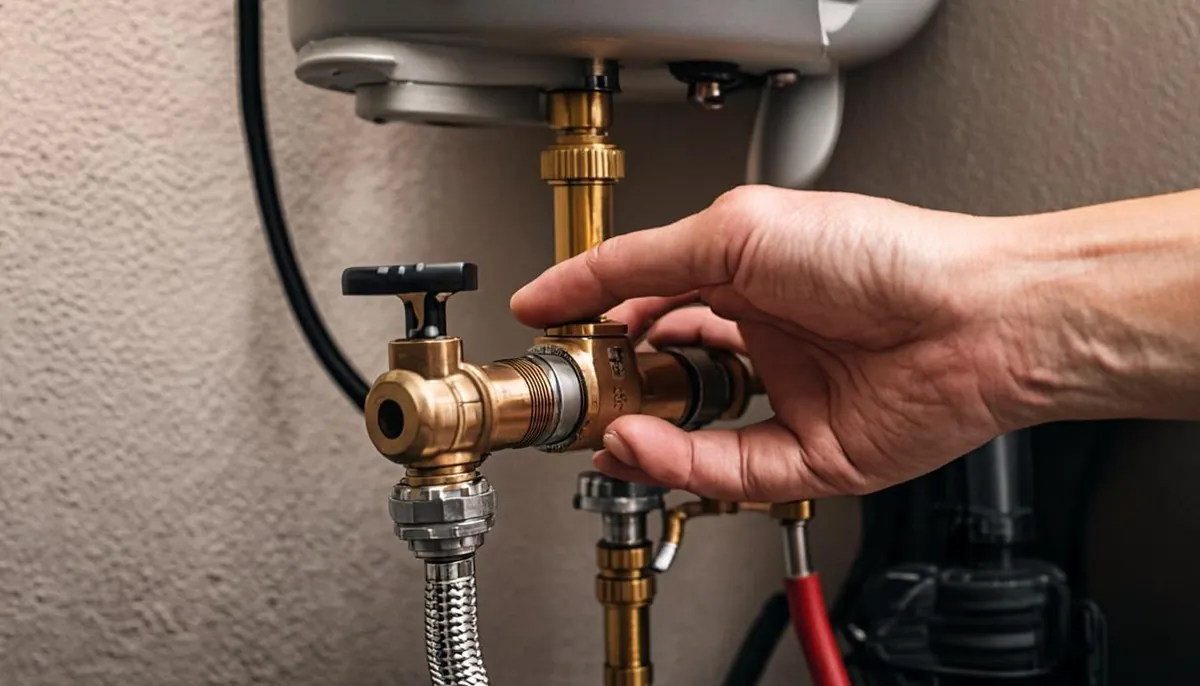
The first ten minutes of a water heater emergency decide whether you spend the weekend with a shop vacuum or a contractor's invoice for drywall. This guide is the sequence our phone team walks callers through while the truck rolls, written down so you can act even before anyone answers. Print it, tape it inside the utility closet door, and hope you never need it.
Minute One: Water First, Everything Else Second
If water is actively spreading, close the cold-water shutoff valve on the pipe above the tank. Clockwise until firm. That single move stops the refill, and a leaking tank that cannot refill cannot flood much further. Every adult in the house should know where this valve is before any emergency; go find it after reading this.
Minutes Two and Three: Cut the Energy
- Electric tank: switch off the dedicated breaker in the electrical panel. Do not stand in water to reach it; if the path is wet, wait for help.
- Gas tank: turn the gas control knob to OFF, or close the gas supply valve on the line to the unit if you can reach it dry-handed.
- Either fuel: keep children and pets out of the wet area entirely.
Minute Four: The Gas Exception
If you smell gas anywhere near the unit, the sequence changes: leave the house immediately, do not touch light switches or phones inside, and call your gas utility's emergency line from outside. Utility crews own the gas-main side of an emergency; once the site is declared safe, our specialists handle everything from the appliance connection to the tank. This split is the one rule in this guide that has no exceptions.
Minutes Five to Eight: Damage Triage
- Move rugs, boxes, and anything absorbent away from the water's edge.
- Open the path to a floor drain if one exists nearby.
- Towels and a wet vacuum matter for hard floors; do not wage war on soaked drywall yet.
- Photograph the scene for insurance once the immediate spread stops.
Minute Nine: Make the Call
With water stopped and energy cut, call the emergency line. The dispatcher will ask what the tank is doing, whether the shutoffs held, and how far the water traveled, then give you an honest arrival window. Stabilization, diagnosis, and a flat quote follow in that order, even at 3 a.m.; the hour never changes the pricing structure, only the arrival time.
Minute Ten and Beyond: What Not to Do
- Do not re-open the shutoff to test the leak; the diagnosis needs the system pressed only by a professional.
- Do not reset a tripped breaker repeatedly on a wet appliance.
- Do not cap or plug a discharging temperature and pressure relief pipe.
- Do not store the family photos on top of a weeping tank while you think about it.
After the Emergency
Leaks get traced to their source: fittings and valves repair, shells replace. If the verdict is replacement, like-for-like swaps often finish the same day, and the old tank leaves with the crew. Insurance documentation, including the technician's written findings, supports the claim you file, and the sooner the photos and report exist, the smoother that conversation goes.
The best emergency, of course, is the one that never happens: an annual flush and inspection catches the failing fitting, the tired anode, and the drifting thermostat while they are still cheap. But for the day the tank forgets its manners, this page is your first ten minutes.
Related guides
Leaking from the bottom · Seven warning signs · Replacement cost guide