How Much Does Water Heater Replacement Cost in Odenton, MD?
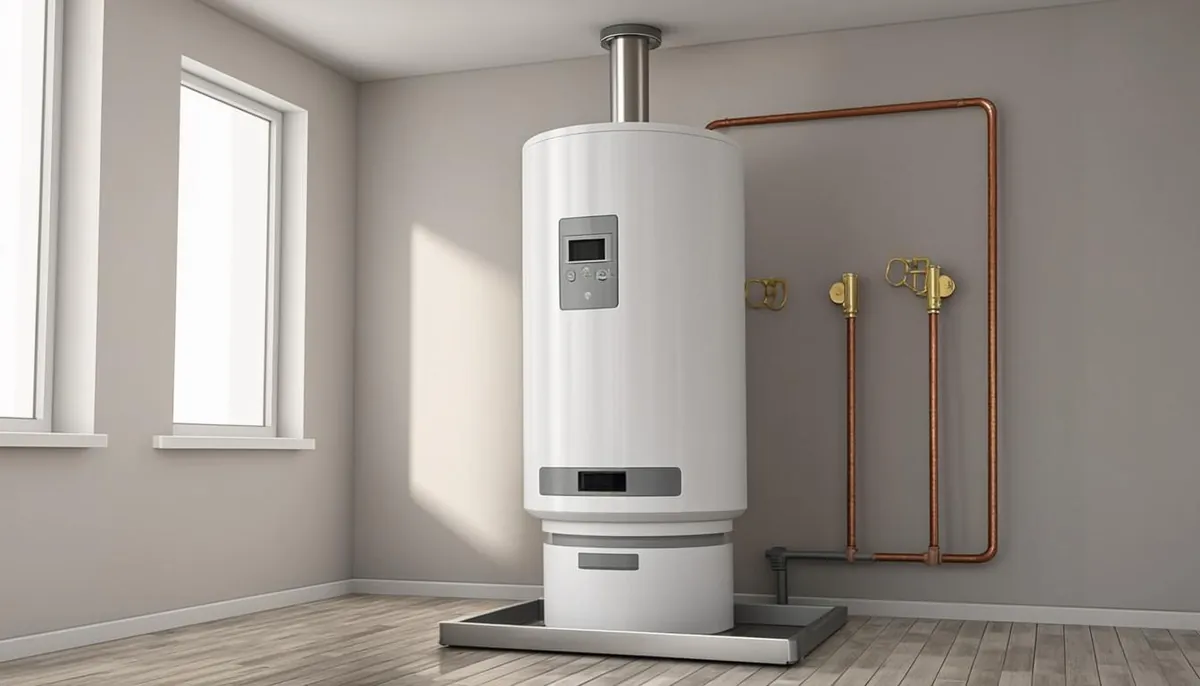
Most tank water heater replacements we complete around Odenton land between $1,600 and $3,400 installed, with the final number driven by the equipment tier, the venting your home needs, and how easily the old unit comes out. This guide breaks the price apart the way our estimators do on a quote visit, using figures from our own 2025-2026 project records across 21113 and the neighboring communities, so you can read any estimate, ours or a competitor's, line by line.
One caution before the details: national averages understate replacement costs in the Washington-Baltimore corridor, where labor, permitting, and disposal all run above the country at large. Local ranges quoted flat before work starts are the only numbers worth budgeting against.
What Determines Water Heater Replacement Cost?
| Replacement type | Typical range (installed) | Notes from our records |
| Gas tank, like-for-like | $1,600 - $2,600 | The most common swap in Odenton's mid-century homes |
| Electric tank, like-for-like | $1,500 - $2,400 | Slightly less when the circuit and space are healthy |
| High-efficiency gas tank | $2,400 - $3,400 | Condensing units with stainless venting |
| Hybrid heat pump tank | $2,600 - $3,900 | Where garage or basement headroom exists |
| Whole-home gas tankless | $2,900 - $5,600 | Spread driven by gas-line and venting work |
Every quote we write is flat and itemized: equipment, materials, labor, the permit where the scope needs one, inspection scheduling, and haul-away of the old tank. The number you approve is the number you pay, which is the entire point of quoting before the wrench comes out. What follows is what moves a project from one row of that table to another.
Tank vs. Tankless Equipment Costs
The equipment line varies more within categories than between them at the low end. A standard atmospheric gas tank and a standard electric tank occupy similar equipment brackets, while power-vent and condensing tanks climb from there. Whole-home tankless units carry the highest equipment tags, and their installed spread is the widest in the table because the supporting systems, not the box, decide the difficulty. Hybrid heat pump tanks sit between the condensing tanks and tankless, with the caveat that they need physical room for their air intake that not every utility space can offer.
Gas vs. Electric Installation
Fuel shapes labor. Gas replacements carry combustion-side work: draft verification, venting condition, sediment traps, and gas connection testing, each a line of skill the install must include. Electric replacements are lighter on combustion and heavier on circuit health: the dedicated breaker, wire gauge, and connection condition decide whether the install is straightforward or needs an electrician first. Fuel conversions in either direction, electric-to-gas or gas-to-electric, add a full trade's worth of work and belong in a different conversation, which our gas vs. electric guide covers.
Labor and Equipment Removal
Extraction is the underestimated line. A basement tank with a clear path out drains, disconnects, and exits in under an hour. Attic-mounted units, tight closets with finished walls, and tanks that have been plumbed in place for fifteen years add careful, slow labor. Disposal is real work too: a drained 50-gallon tank still weighs over a hundred pounds and does not fit in a weekly bin. Quotes that omit haul-away are deferring that cost to your weekend.
Gas Line and Electrical Modifications
Modifications are where replacement becomes upgrade. Tankless conversions almost always need the gas line uprated to feed the new burner's appetite, and electric tankless or hybrid additions can need new dedicated circuits from a panel with room to spare. These lines are checkable during the estimate, which is exactly when they should be priced, not after the wall is open. A conversion quote that assumes the existing supply will feed the new unit is a guess with your money.
Venting, Drainage and Safety Components
Modern installs routinely refresh the safety hardware around the tank: an expansion tank where the system is closed, a drain pan where a leak would reach finished space, new flex connectors, a sediment trap on the gas line, and correct strapping. Venting gets re-verified every time, because a tired flue that passed twenty years ago may not pass today's draft check. Power-vent and condensing equipment carries its own venting materials and cost tier. None of these are upsells; they are the difference between an installation that ages well and one that calls us back.
Permit and Inspection Costs
Anne Arundel County requires a plumbing permit when piping is added or relocated, and replacement installs generally run through that process. We file the permit, post it, schedule the inspection, and build the fee into the quote as its own line. The county's trade permits are published with their fee schedules, so the line on our quote can be checked against the source. Homeowners occasionally ask whether the permit can be skipped; the honest answer is that unpermitted work surfaces at resale, complicates insurance claims, and forfeits the inspection that catches venting and safety errors, so we do not install that way.
How to Compare Replacement Estimates
- Confirm each quote states the equipment model and tier, not just a gallon figure.
- Check the permit line exists and matches the county's published fees.
- Verify haul-away, expansion tank, flex connectors, and pan are inside the flat price, not beside it.
- Ask what venting findings would change the number, and how changes are approved.
- Compare warranty terms on both equipment and labor, in writing.
- Weight timing: emergency replacements cost more and shrink equipment choice, so plan ahead where the tank's age allows. ENERGY STAR's buying guidance makes the same point: choosing a replacement before failure leaves time to research technology instead of accepting what an emergency allows.
A replacement is one of those purchases where the cheapest quote and the best outcome are rarely the same number. Flat pricing, permit discipline, and honest sizing are what turn the spend into fifteen quiet years of hot water, and our water heater replacement service is built around exactly that.
What is the average cost to replace a 50-gallon gas water heater?
In our current project records across the Odenton area, a like-for-like 50-gallon gas tank replacement installs between $1,600 and $2,600, with the spread driven by venting condition, access, and the safety components the installation refreshes. Flat, itemized quoting is what keeps a project inside its row of that range.
Why is tankless water heater installation more expensive than tank replacement?
The unit costs more and asks more of the house: gas line uprates, dedicated circuits, stainless or PVC venting packages, and condensate management where the model demands it. Those supporting lines are why our tankless range opens where the condensing tank range ends, and each line is verifiable on the estimate rather than discovered mid-project.
Does the quoted price include the permit and inspection?
On our quotes, yes, always: the permit fee appears as its own line, we file it under our licensed tradesmen, and the inspection is scheduled as part of the job. A quote without a permit line is not a discount; it is work that will surface again at resale or after an insurance claim.
When is the cheapest time of year to replace a water heater?
Late summer and early fall, when schedules breathe and nobody is calling about a frozen line or a failed tank in a cold snap. Planning the replacement while the old tank still works also keeps you in standard pricing rather than emergency response, which is the single largest controllable swing in the whole project.