Why Is My Water Heater Leaking From the Bottom?
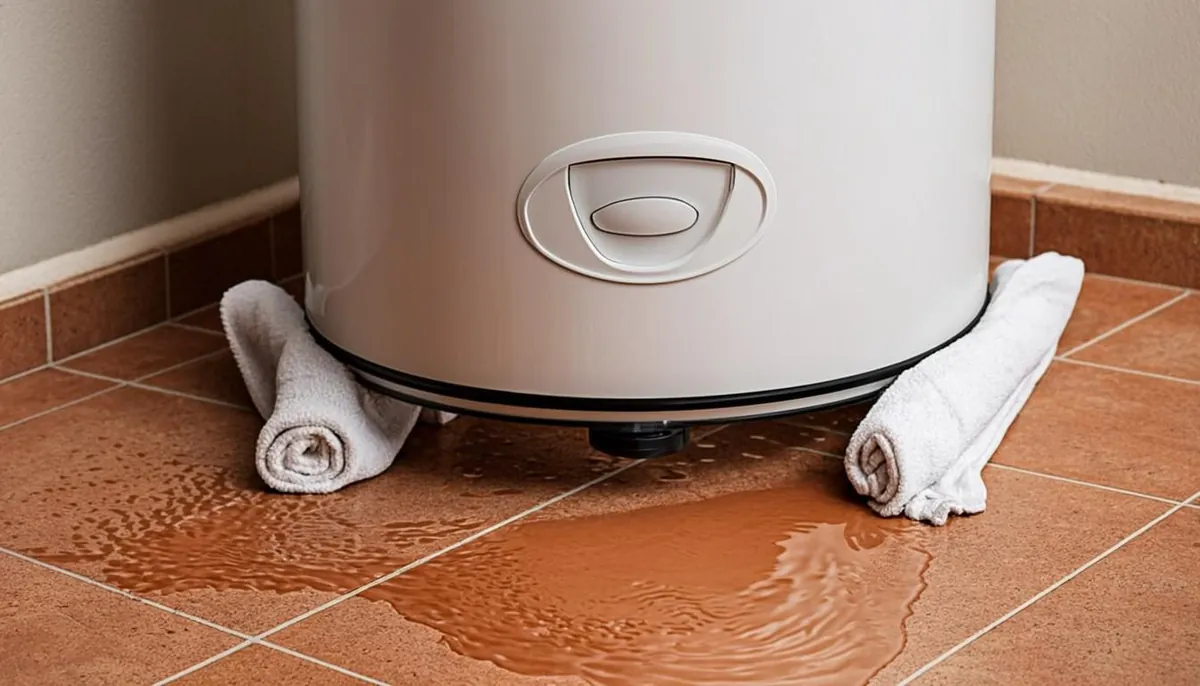
Water around the base of a water heater looks like the worst news in home plumbing, and it frequently is not. The bottom of a tank hosts four separate connection points, a relief valve, and the shell itself, and each can put water on the floor for its own reasons, ranging from a hand-tightened fitting to a corroded shell that ends the tank's life. Treating them all as the same emergency costs homeowners either panic replacements or dangerous delays. This guide covers what our technicians check first on Odenton leak calls, and the order to check them in.
Why Is Water Leaking From the Bottom of a Water Heater?
Drain Valve Leak
The plastic or brass drain valve near the tank's base is opened a few times a year at most, and its washer hardens between uses. A slow drip from the valve's spout or around its threads is one of the most common and least alarming bottom leaks. Some valves also weep slightly after a flush until sediment clears the seat. The fix ranges from tightening the valve's packing to swapping the valve entirely, both of which are inexpensive repairs on an otherwise healthy tank.
Cold Water Inlet and Hot Water Outlet Leaks
The supply and delivery connections at the tank's top can travel: water escaping a loose fitting runs down the tank's side, pools at the base, and impersonates a bottom leak. Corroded flex connectors, worn thread sealant, and loose union nuts are the usual sources. Dry the whole tank with a towel, watch which surface wets first, and the impostor reveals itself in minutes.
T&P Valve Discharge
The temperature and pressure relief valve, mounted on the tank's top or side with a discharge pipe that often ends near the floor, opens when pressure or temperature exceeds safe limits. Water emerging from that discharge pipe is the tank's safety system doing its job, which means the question is never the water but the pressure behind it: excessive supply pressure, thermal expansion in a closed system, or an overheating tank. Our pressure relief valve guide covers the causes in detail. Discharge deserves same-day attention because the underlying cause compounds.
Condensation Around the Tank
A cold tank filling with cold water in a humid utility room sweats exactly like a cold drink glass, and the drips collect at the base. Condensation is seasonal, worst in summer, and stops when the tank finishes reheating. Wiping the tank dry and checking back after an hour distinguishes sweat from leak with near certainty, and it has saved more than one homeowner an unnecessary replacement quote.
Corroded Storage Tank
The tank shell itself is the failure no fitting repair addresses. Glass linings wear, anode rods exhaust themselves, and corrosion eventually weaves through the steel, weeping first as rust-colored residue around seams and base seams, then as a genuine leak. Water rising from under the tank, or seeping from the shell itself regardless of the fittings, is the signature. There is no patch for a corroded shell; the conversation becomes replacement on your schedule rather than the tank's.
How to Identify the Source of a Water Heater Leak
- Dry everything: the tank, the fittings, the floor.
- Check the top connections first, since top leaks travel down and impersonate bottom leaks.
- Watch the drain valve spout and the T&P discharge pipe end separately.
- Note the water's appearance: rust tint points at the shell, clear water points at fittings, valves, or condensation.
- Return after an hour and map exactly which surface wetted first.
The EPA notes that a faucet dripping once per second wastes over 3,000 gallons a year, and a tank fitting weeping around the clock does that arithmetic one better. Tracing the source promptly is not just damage control; it is water bill control.
Can a Leaking Water Heater Be Repaired?
Yes, when the leak lives in the repairable layer: drain valves, supply fittings, flex connectors, and relief valves are all replaceable components, and the work is routine same-visit territory for our trucks. The answer flips when the leak is the shell. No sealant, patch, or fitting swap re-makes a corroded vessel, and any contractor proposing to patch a weeping tank is selling time, not repair. That is why the source identification step above decides the budget before any quote does.
When a Leaking Tank Needs Replacement
Shell leaks replace the tank, and speed matters less than planning: a weeping tank usually grants days, not months, and replacement on your calendar costs less than replacement after a flood. Age sharpens the timeline; a leaking tank in its early teens has no case for another component anyway. Our repair vs. replacement guide lays out the full decision framework, and our replacement service quotes the swap flat, permit and haul-away included.
What to Do When You Find Water Around Your Water Heater
Contain first, diagnose second. Shut the cold water valve on the supply line above the tank to stop the inflow, cut power at the breaker for an electric unit or set gas to pilot or off, and move valuables out of the wet zone. Then trace the source using the steps above and call it in: our leak repair service runs around the clock, and the first ten minutes of any suspected serious leak are covered step by step in our emergency guide. A dry, traced, documented leak is a five-minute phone call; a mystery puddle at midnight is an emergency.
Is a water heater leaking from the bottom dangerous?
The water itself rarely is; the risks around it are. Standing water near electrical components, gas equipment with a soaked burner area, and the mold that follows ignored moisture are the real hazards. Shut off the supply and power, keep the area clear, and have the source identified the same day rather than managed with a towel and hope.
How long can a water heater leak before it fails completely?
It depends entirely on the source. A drain valve drip can grumble for months, and a fitting weep for weeks. A shell leak grants days at best and tends to accelerate as corrosion widens. Since the three cases look identical from across the room, the trace-and-identify step is what sets the real clock.
Will tightening the drain valve stop the leak?
Sometimes. A valve weeping at its packing nut often stops after careful tightening, while one dripping from the spout with a hardened washer needs replacement. Neither repair is expensive on a healthy tank, but neither belongs on a corroded one; the shell condition around the valve decides whether the fix is worthwhile.
Why is my water heater leaking only in summer?
Summer humidity plus a cold tank equals condensation, the classic phantom leak. The tank sweats when humid air meets its cool jacket, drips collect at the base, and the pattern vanishes in drier weather. Confirming with the dry-and-wait test before quoting any repair prevents the most common misdiagnosis in this whole category.