Do You Need a Permit to Replace a Water Heater in Anne Arundel County?
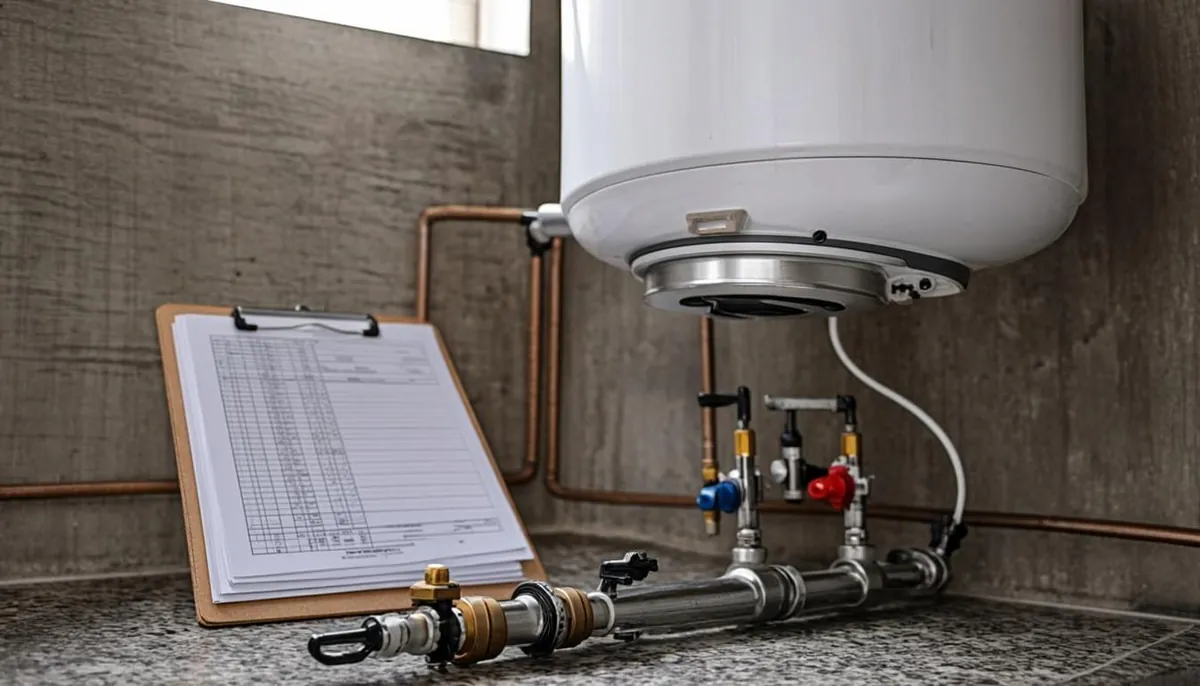
Permits are the part of a water heater replacement most homeowners see least and ask about most. In Anne Arundel County the answer depends on what the job touches, not on what the job is called: piping changes, gas appliance work, and electrical work each fall under their own trade permit groups, published separately by the county's Inspections and Permits office. This guide explains which permits a typical Odenton water heater project can touch, who is allowed to pull them, and what inspection day looks like, so you can read any contractor quote with confidence.
When Plumbing Work May Require a Permit
The county's plumbing permit guidance is written around the piping, and its plain trigger is adding or relocating fixtures and piping. A like-for-like tank swap that reconnects to existing supply and distribution lines in the same locations is the lightest case. Moving the heater, rerouting supply lines, adding a loop, or extending piping to a new fixture pulls the job squarely into permit territory. Because the line between the two sits in the details of the piping plan, our practice is to determine the permit requirement from the written scope of work during the estimate, before any contract is signed.
Gas Permit Requirements for Appliance Changes
Gas work carries its own permit group, separate from plumbing. The county publishes gas permits for adding or relocating gas appliances and gas piping, which covers more water heater projects than homeowners expect: swapping an electric tank for a gas one, moving a gas heater across the room, or extending a gas line to feed a tankless unit are all appliance-and-piping changes, not simple swaps. Gas work also introduces components with their own code requirements, such as sediment traps at the appliance connection and combustion air for the room, which the inspection exists to verify.
Electrical Permit Requirements
Electrical work falls under the county's electrical permit group whenever the job adds or modifies circuitry. A tankless conversion is the usual water heater trigger, because whole-home electric tankless units draw enough current to need dedicated high-capacity circuits rather than the existing tank's connection. Hybrid heat pump installations can require a new circuit too, depending on what the manufacturer specifies. Replacing an electric tank like-for-like on an existing, healthy circuit is the light case, and the same scope-first logic decides it.
Like-for-Like Replacement vs. System Modification
The distinction that matters is scope, not equipment. Replacing a 50-gallon gas tank with the same size in the same spot reconnects to what already exists, and the permit load is lightest. The same replacement that moves the tank, changes fuel, or converts to tankless modifies the system, and each modification maps to a specific trade permit. We deliberately avoid telling homeowners that every like-for-like replacement carries identical requirements, because access, venting corrections, and code updates discovered during the work can expand scope, and the permit plan follows the work, not the label on the box.
Who Can Apply for Trade Permits?
Anne Arundel County requires separate trade permits for mechanical, plumbing, and electrical work, and requires that the work be performed by tradesmen licensed in the county. That requirement does real consumer work: the licensed tradesman of record owns the permit, schedules the inspections, and answers for the installation passing them. Maryland licenses plumbers at the state level through the Maryland State Board of Plumbing, which regulates the individuals providing plumbing and gas services statewide. The practical takeaway for a homeowner is straightforward: if a contractor proposes that you pull an owner's permit for their work, ask why the licensed tradesman is not pulling it.
How to Check Permit Requirements
- Start from the county's Inspections and Permits pages, which publish the trade permit groups and their fees rather than leaving them to folklore.
- Match each element of the written scope to a trade: piping moves map to plumbing, appliance and gas line changes map to gas, circuit work maps to electrical.
- Ask the contractor to state the permit plan on the quote itself, with the fee line itemized rather than folded into labor.
- For boundary properties, remember the jurisdiction: Hanover addresses on the Howard County line answer to a different permitting office entirely, confirmed per address.
- When in doubt, call the county; inspectors answer scope questions directly, and the answer is binding in a way a contractor's guess is not.
Inspection and Documentation
Permitted work closes with an inspection, not with the technician's truck. For a water heater job that typically means the trade inspector verifies the connections, venting, safety devices, and any new piping against the adopted code, which in the county is the 2021 International Plumbing, Mechanical, and Fuel Gas codes and the 2020 National Electrical Code, each with local amendments. Passing the inspection produces a record that follows the property: it surfaces at resale, supports insurance claims after any water event, and documents that the gas or electrical work was checked by someone whose only stake is the code. We file the permit, post it, schedule the inspection, and include the sequence in every quote.
The county's adopted code families and amendments are published on its building codes page, and we link the current permit pages from our water heater installation service page so homeowners can read the source requirements themselves. Unpermitted work is the one shortcut that never pays: it saves a fee today and taxes the sale, the claim, or the next contractor years later.
Do I need a permit to replace a water heater in Anne Arundel County?
It depends on the scope. A like-for-like swap that reconnects to existing piping and fuel or circuit carries the lightest requirements, while any piping relocation, gas appliance or gas line change, or new electrical circuit maps to the county's published trade permit groups. We determine the requirement from the written scope during the estimate and state the plan on the quote.
What happens if a water heater is installed without a permit?
The installation goes unrecorded, which tends to resurface at the worst times: unpermitted work complicates home sales, can jeopardize insurance claims tied to water or gas events, and leaves corrections to be made under time pressure. County inspection exists to catch venting, safety, and connection errors before they become those problems.
Can a homeowner pull their own plumbing permit in Maryland?
Owner's permits exist for owner-occupied homes, but the county requires trade work to be performed by tradesmen licensed in Anne Arundel County, and a permit pulled in the homeowner's name puts inspection responsibility on them rather than on the contractor doing the work. We pull permits under our licensed tradesmen as standard practice.
How long does the water heater permit and inspection process take?
For standard replacement scope, permitting and inspection usually compress into the installation window rather than stretching beyond it: the permit is filed before work starts, and the inspection follows once the installation is complete. Conversions that add gas piping or new circuits take longer because more trade inspections apply.