Heat Pump vs. Standard Electric Water Heater: Which Fits Your Home?
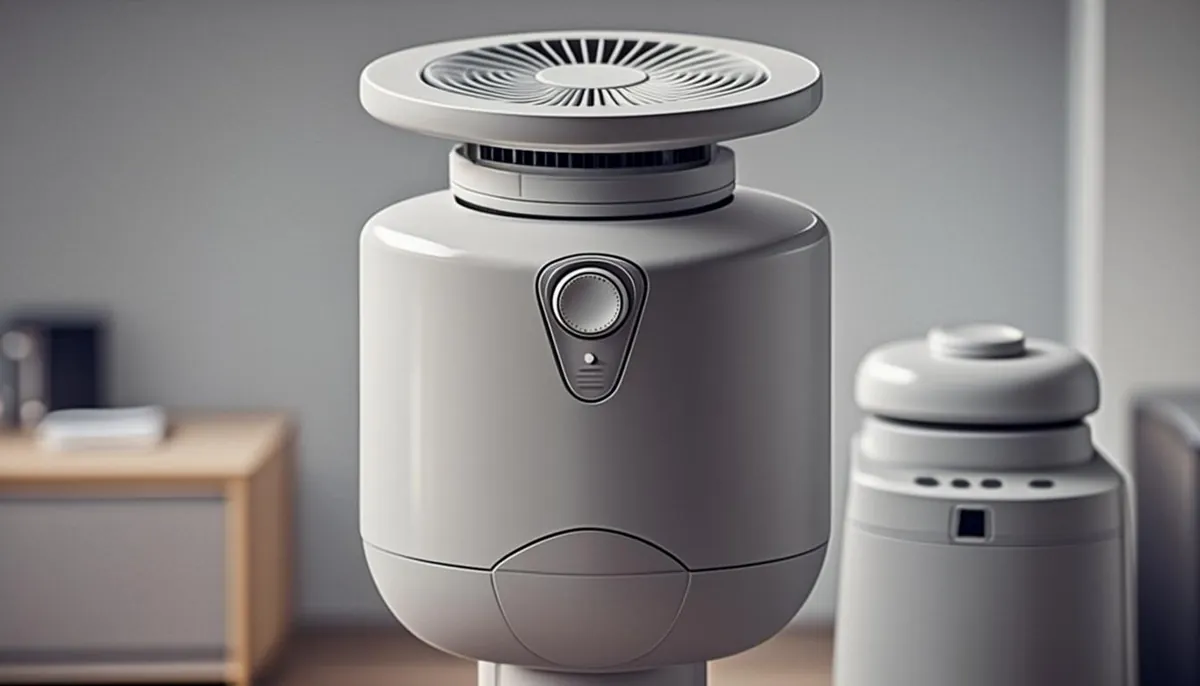
Every electric water heater replacement eventually meets the same fork in the catalog: another standard resistance tank, or a heat pump model, sold as a hybrid, that heats the same water a completely different way. The efficiency case for the hybrid is large enough that federal energy guidance promotes it specifically for homes replacing aging electric tanks, and the catch is just as real: the technology asks more of the room it lives in. This guide compares the two the way we do on estimate visits around Odenton, where the housing stock of colonials, townhomes, and finished basements decides the answer as often as the utility bill does.
How an Electric Resistance Water Heater Works
The standard electric tank is the simplest water heater sold. Two resistance elements, one near the top of the tank and one near the bottom, heat the water around them directly, each governed by its own thermostat, with no combustion, no vent, and no moving parts beyond the safety hardware. Every unit of electricity that enters the tank leaves as heat in the water, which makes resistance heating perfectly efficient at the point of use. The limitation is direction, not conversion: an element can only make heat, never gather it, so the unit's efficiency ceiling sits at 1.0 no matter how well the tank is insulated.
How a Heat Pump Water Heater Works
A hybrid water heater is a resistance tank with a heat pump on top. Instead of making heat, the heat pump moves it: a refrigerant loop and a small compressor gather warmth from the surrounding air and concentrate it into the tank, the same trick a refrigerator runs in reverse. Because the equipment transports existing heat rather than generating it, each unit of electricity delivers several units of heat into the water. The resistance elements stay aboard as backup, taking over when demand outruns the heat pump or the room air runs too cold, and the controls switch between modes automatically.
Energy Efficiency Differences
The numbers are not close. ENERGY STAR's own materials state that heat pump water heaters earning the label can be up to four times more efficient than conventional electric resistance models, and the federal purchasing guidance used for government facilities makes the ratio concrete with Uniform Energy Factor examples: 3.93 for a heat pump model against 0.95 for a conventional storage tank. For a household replacing an aging electric tank, that gap is the difference between water heating as the largest or second-largest line on the electric bill and a visibly smaller one, because water heating is one of the biggest energy expenses an all-electric home carries. The advantage compounds as rates rise, which is why we project operating costs on the estimate rather than asking anyone to take the label on faith.
Installation Space and Air Requirements
The trade for that efficiency is air. ENERGY STAR advises that heat pump water heaters be installed in interior spaces that stay between 40 and 90 degrees Fahrenheit year-round and provide about 1,000 cubic feet of air space around the unit, because the equipment harvests heat from moving air. A full basement or a large utility room clears that bar easily; a compact closet beside finished space usually does not. Where the room runs short, some models support ducting that pulls or exhausts air to another space, an option the installation manual spells out model by model, and the unit's location plus the volume of the space around it shape performance more than any other installation factor. Our site check measures the room before we quote, because this is the one requirement a tank-swap quote cannot assume away.
Sound and Operating Conditions
A heat pump runs a fan and a compressor during recovery, which sounds like a window air conditioner cycling in the same room; a resistance tank is silent between element cycles. Placement matters as much as volume here: a unit mounted against a bedroom wall in a finished basement draws complaints that the same unit in an open garage never would. The equipment also cools and slightly dries the air it works, a quiet bonus in a muggy Maryland basement and a real cost in a heated living space. In colder surroundings the unit runs longer and leans on its elements more, and ENERGY STAR notes that models in cold spaces may temporarily switch to standard electric mode during cold months, which raises energy use in exactly the season the bill is already highest.
First Hour Rating and Tank Sizing
Heat pump mode recovers a tank more slowly than elements do, so hybrid models manage the busy hour with strategy rather than brute force: larger tank classes, smarter controls, and resistance elements held in reserve for peak draws. The practical effect is that first hour rating still rules the sizing decision, and hybrid spec sheets reward reading it as closely as any gas tank's. A household whose peak hour fits comfortably inside a healthy rating gets the full efficiency benefit; a stacked morning that outruns the tank is paid for in element time, trimming the savings the technology promised. Our first hour rating guide explains the number, and our 40 vs. 50 gallon comparison covers the tank-size decision it feeds.
When a Hybrid Water Heater Makes Sense
- All-electric homes replacing an aging resistance tank: the largest efficiency gain available without touching fuel infrastructure.
- Households with a full basement, garage, or generous utility room that clears the air-space requirement without construction.
- Homeowners planning to stay several years, where the operating savings compound past the equipment premium.
- Muggy, half-finished basements that benefit from the dehumidifying side effect.
- Planned replacements rather than emergency swaps, when placement, condensate routing, and circuits can be arranged calmly.
The reverse cases are just as practical: tight closets beside bedrooms, homes with gas service already at the utility space, and short tenures where the equipment premium cannot pay back before the moving truck arrives. Our water heater installation service quotes both paths after measuring the space, and our replacement service prices the hybrid against the best conventional alternative in writing, so the decision runs on your room and your rates rather than on a brochure.
Is a heat pump water heater worth the extra cost?
For all-electric homes with the space to host one and enough tenure to let the savings compound, yes, and the arithmetic is strong enough that federal efficiency guidance promotes the technology for exactly that replacement. For tight spaces, gas homes, or short stays, the premium may never pay back, which is why we quote both options side by side on the estimate.
Does a heat pump water heater work in a Maryland winter?
Yes, with conditions. The space around the unit needs to stay within the manufacturer's operating range year-round, and in colder surroundings the unit works harder or hands off to its backup elements temporarily, which trims the savings during cold months. Garages and basements that stay moderate perform well; unconditioned attic spaces do not.
Can a heat pump water heater go in a small closet?
Not without help. The unit needs roughly 1,000 cubic feet of air space around it to breathe, and a compact closet cannot supply it. Some models support ducting that sources or exhausts air to another space, and where the layout allows that, a closet installation becomes possible; the model's manual and our site check decide.
Do heat pump water heaters need special maintenance?
The tank side is familiar: annual flushing, anode checks, and safety inspections, exactly as any tank. The heat pump adds an air filter that needs periodic cleaning and a condensate line that must stay clear, both of which our maintenance visit covers alongside the standard tank care.