What Should a Plumber Check Before Installing a New Water Heater?
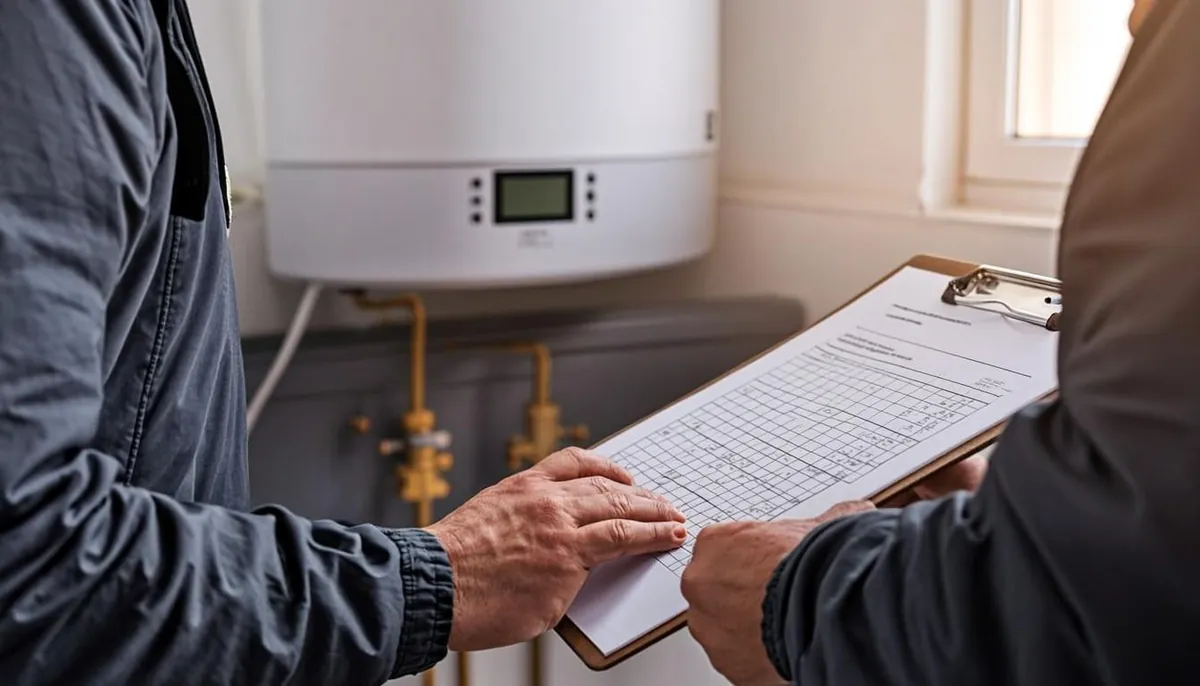
A water heater installation is won or lost before the new tank is ever unwrapped. The equipment is the easy part; what decides whether install day runs four hours or four days is whether the house behind the heater was checked first: the connections it will reuse, the systems it depends on, and the safety hardware that has to come back better than it was found. This is the checklist our crew works through on every quote visit around Odenton, published here so homeowners know what a thorough preparation pass looks like and can hold any estimate to it.
Existing Water Heater Type and Capacity
The first check is the incumbent: fuel type, capacity, and venting category, because the replacement inherits all three unless a conversion is priced deliberately. The tank's service history shapes sizing too. A heater that never ran out is evidence the capacity fits the household; one that went cold every second shower is evidence it never did, and installing the same size again would be renting the same problem. That history, not a chart, starts the sizing conversation our 40 vs. 50 gallon guide works through in detail, and it is also where conversion paths, electric to gas, tank to hybrid, get priced against staying like-for-like.
Plumbing Supply and Connections
Next the plumber opens the cold shutoff and looks at what the new unit will connect to. A shutoff valve that has not been exercised in a decade is a common install-day surprise, and it is far cheaper to replace it as a planned line item than as an emergency mid-job. Supply material and joining method matter: copper soldered joints, threaded nipples, and PEX each connect differently, and corroded or mixed-dielectric connections get renewed rather than reused. Anything that moves the heater, reroutes lines, or adds piping crosses into the county's plumbing permit territory, which our permit guide explains, so the scope is written before the contract is.
Gas Supply or Electrical Capacity
The fuel check decides whether the new unit can actually run at full output. On gas, that means line size and run length against the new unit's input rating, a serviceable shutoff, a sediment trap at the appliance connection, and meter capacity when other gas appliances share the feed. On electric, it means a dedicated circuit with the right breaker size and wire gauge, plus panel headroom, which becomes the central question for hybrid models and becomes a full infrastructure project for whole-home tankless. A unit starved by an undersized gas line or a tired circuit is the most common self-inflicted installation failure we are called to correct.
Venting and Combustion Air
For gas equipment, the venting check comes before the equipment choice, not after. The category of venting the new heater uses, atmospheric draft through a masonry or metal flue, direct sealed combustion, or fan-assisted power venting, has to match what the house can physically support, and an existing flue gets inspected for condition, pitch, and clearance rather than assumed good. Combustion air is the quiet partner: the room has to supply what the burner consumes, and finished, tightened utility spaces often cannot. Each venting type carries its own requirements, which our gas venting guide breaks down type by type.
Drain Pan and Discharge Piping
In any finished or interior location, a drain pan under the tank is cheap insurance against the day the tank finally gives up, and the check is whether a pan is present, sized right, and actually plumbed somewhere useful. A pan draining nowhere protects the floor for about a minute. Discharge piping runs the same test: the temperature and pressure relief valve and the pan both need a clear, downward path to a safe, visible termination point, and installations in spaces without a drain get honest conversations about placement before the equipment is ordered, not apologies after.
Temperature and Pressure Relief Valve
The T&P valve is the tank's one mechanical backstop against over-temperature and over-pressure, and the installation check treats it that way. A new heater gets a new, matching valve rather than a transplant from the old tank; the discharge pipe gets sized, sloped, and terminated where a release can be seen and cannot scald anyone; and the valve's outlet is confirmed unobstructed. It is a small component with a large job, and reusing a corroded one to save a step is the kind of shortcut the inspection exists to catch.
Thermal Expansion Control
Many Odenton-area homes sit behind a pressure reducing valve or backflow preventer, which makes the plumbing a closed system, and closed systems need somewhere for heated water to expand. Without a thermal expansion tank, every heating cycle pushes the line pressure upward, stressing fittings, shortening the new tank's life, and weeping the T&P valve open unnecessarily. The site check confirms whether one is already installed and healthy, and adds it to the quote when it is missing, because leaving it out turns the new heater into the pressure relief device for the whole house.
Manufacturer Clearances and Accessibility
Every model ships with requirements that outrank habit: clearance to combustibles, service access to the elements, burner, and unions, drain valve reach, and in the case of hybrids, the air volume already covered in our heat pump guide. The check measures the space against the manual for the specific unit being quoted, not against the hole the old tank left. It also looks forward: a heater wedged so tightly that next year's flush or element swap requires demolition is a maintenance bill planted on purpose. Future access is part of a correct installation, not a luxury.
Final Testing and Inspection
The closing sequence turns a connected tank into a working system: fill and purge air from the lines, pressurize and leak-check every joint made that day, verify firing or element operation through a full recovery, confirm thermostat setting, and test the T&P valve seat once the tank is hot. Where the job falls under a trade permit, the county inspection closes the loop on top of our own testing, and the paperwork lands in the homeowner's hands with the warranty registration. That is the whole checklist, and it is why our water heater installation service quotes after a site visit rather than over the phone: the answers live in the house, not in a catalog.