What Size Water Heater Do I Need? A Practical Guide
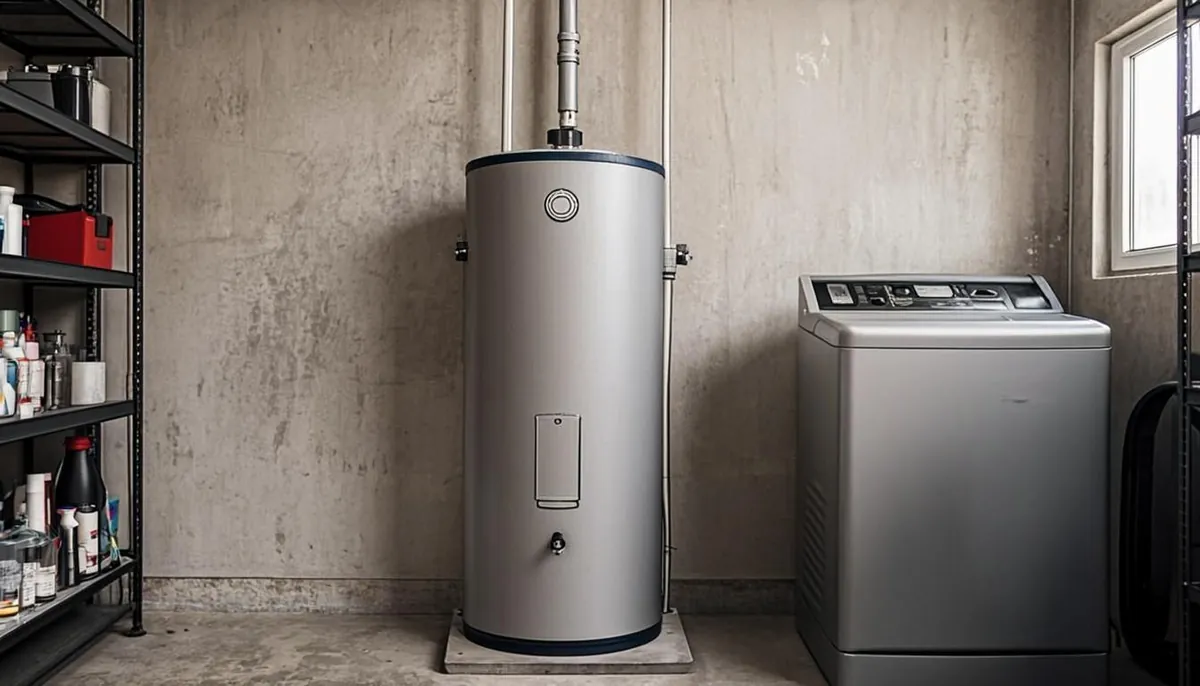
Water heater sizing fails in two directions: too small and the household rations showers, too large and you pay to heat water nobody uses. The right size comes from how your family actually draws hot water, and this guide shows the same math our installers run on estimate visits around Odenton, translated into plain English.
The Two Numbers That Matter for Tanks
Tank sizing pairs capacity in gallons with the first-hour rating, the amount of hot water a unit can deliver in a busy hour of simultaneous use. ENERGY STAR describes the first-hour rating as measuring how much hot water the unit can deliver during a busy hour under standard test conditions, and it is often more telling than raw tank volume: a well-built 40-gallon unit with a strong recovery can outperform a lazy 50. Our first hour rating guide explains the full specification.
Count Your Real Demand
Start with fixtures. ENERGY STAR's guidance lists typical draws: showers and bathtubs around 2.5 gallons per minute, clothes washers around 3.3, sinks near 2.2, dishwashers lower still. Then count the scenarios that actually happen in your home: two showers plus a dishwasher load before school, laundry afternoon on Saturdays, the occasional guest weekend. Your sizing target is the busiest hour, not the average day.
| Household pattern | Gas tank sweet spot | Electric tank sweet spot |
| 1-2 people, light use | 30-40 gallons | 40-50 gallons |
| Family of 3-4, staggered use | 40 gallons | 50 gallons |
| Family of 4-5, stacked mornings | 50 gallons | 60-65 gallons or hybrid |
| 5+ with simultaneous baths | 50-75 gallons | Hybrid or dual units |
Notice electric tanks run larger at each tier: resistance elements recover more slowly than gas burners, so the tank needs more ready volume to cover the same busy hour. Hybrid heat pump models change that math with very fast recovery for their class, which is part of why they earn their place where headroom exists.
Sizing Tankless: Flow First, Then Winter
Tankless sizing ignores gallons entirely and speaks in flow: add up the fixtures likely to run at once, and match the unit's rated output at your winter groundwater temperature. That last clause is the one national charts omit; a unit rated for southern groundwater disappoints when February water arrives in Maryland. Our tankless audits run the fixture math against the coldest inlet, then add honest headroom for the guest who doubles the shower schedule.
The Questions Our Installers Ask
- How many showers run at once on the busiest morning?
- Does the dishwasher or laundry run during that same window?
- Has anyone complained about the last shower going lukewarm?
- Is a fill-up tub, a future addition, or a growing teenager on the horizon?
- What fuel does the home have, and what does the utility space allow?
Answers convert directly into capacity, fuel, and technology recommendations, which is why our estimate visits feel more like interviews than sales calls. The result is a unit sized to the household you have, with a plan for the one you are becoming.
If you are replacing a tank now, resist copying the old label: decades of household change make that number stale, and the sizing audit is free. The right-sized unit is the one you stop thinking about.